
As someone who assesses slots for a living, I’ve encountered every theme imaginable https://bookof.eu.com/book-of-oz/. But the legal dispute concerning Book of Oz Slot in the UK stands apart as a real saga. This popular Play’n GO title didn’t just spark industry gossip when it came into conflict with the UK Gambling Commission. It turned into a real-world lesson on regulatory compliance, branding, and what is required to remain in a key market. For gamblers in the UK, it meant seeing a popular game vanish without warning from well-known sites. In
The Core of the Argument: A Regulatory Conflict
All came down to a one point of conflict: the game’s title. The UK Gambling Commission, which maintains a famously tough stance on protecting players, worried that ‘Book of Oz’ might attract children. From their public announcements and the sector discourse that followed, their concern connected directly with L. Frank Baum’s famous work, ‘The Wonderful Wizard of Oz’. The regulator’s job covers prohibiting gambling products from advertising to those under 18. They viewed a thematic link to a children’s story as a obvious danger. Play’n GO responded that their slot was a imaginative quest targeted at grown-ups, highlighting its high variance and sophisticated mechanics. This wasn’t a happy stroll down a yellow brick road; it was a dangerous quest. With neither side yielding, the UKGC leaned on licensed operators to pull the game. That action placed Book of Oz in a kind of limbo while the argument continued.
Timeline of Happenings: From Launch to Limbo and Back
It all becomes logical if you follow the sequence of events. Book of Oz launched worldwide to positive feedback and rapidly became a staple on UK sites. Regulatory questions popped up some time after its release, sparking confidential discussions behind closed doors. It was observed that the game start to disappear from lobbies at William Hill, Betway, and other operators through 2021, leaving players confused. A tense standoff lasted for months, holding a top-tier game out of a crucial market. The resolution didn’t result from a courtroom showdown. It came from a practical tweak: a title change. Play’n GO altered the name for the UK market to ‘Book of Oz Lock & Spin’. That small addition, incorporating obvious gambling language, alleviated the UKGC’s anxieties about child appeal. Operators could then reintroduce the game. The whole chapter continued for over a year, underscoring the difficult compromise between global game design and the UK’s specific rulebook.
Interpreting the UKGC’s Stance regarding Game Design
The regulator’s action against Book of Oz was not an isolated case. It fit into a broader clampdown concerning game mechanics. Studying their official documents, I interpret this decision as a sharp signal about ‘affinity branding’. This refers to using themes or imagery deeply linked to children’s entertainment. Their published rules advise concerning themes that draw young audiences, naming animated aesthetics, fairy tales, and allusions to children’s tales. For the regulator, it represents a firm stance. This ensures the world of gambling separate from the world of childhood fantasy. Players and developers might see a shadowy, daring game. The Commission has to consider the widest possible interpretation. This case created a powerful example. It made other designers hurriedly to examine their own releases for any themes that might seem youthful, leading to a clear transformation in the way slots are styled within the British market.
That “Lock & Spin” Resolution: A Tactical Renovation
Adding “Lock & Spin” to the name constituted a ingenious bit of regulatory maneuvering. It modified nothing about the game itself—the calculations, the features, the graphics all remained unchanged. What it did was immediately put the product in the gambling category. “Lock” and “Spin” are words firmly rooted in slot machine mechanics, not children’s libraries. This small text edit produced a distinct UK version. It let Play’n GO keep its global brand intact while aligning with local rules. To me, it revealed a practical grasp of a key truth: sometimes compliance is about managing perceptions as much as changing substance. The new name successfully redefined the game for the regulator, dissociating it from the ‘Oz’ connection and highlighting its identity as a gambling product.
Impact on Different “Book” Slot Machines
The shockwaves hit the industry immediately. Several “Book of…” slots from various studios were scrutinized. Would ‘Book of Dead’ run into problems for its adventure premise? How about ‘Book of Ra’ and its Egyptian gods? From what I can tell, the UKGC’s primary criterion seemed to be the specific cultural hook. “Oz” possesses a prominent, widespread tie to a beloved children’s book and movie. “Dead,” “Ra,” or “Shadows” don’t carry the same direct, extensive association with children’s media. Consequently as everyone grew more careful, many other “Book” slots stayed on the shelves. The episode delivered a valuable lesson: the problem isn’t the word “Book.” It’s the particular theme or IP that comes after it.
Gameplay Analysis
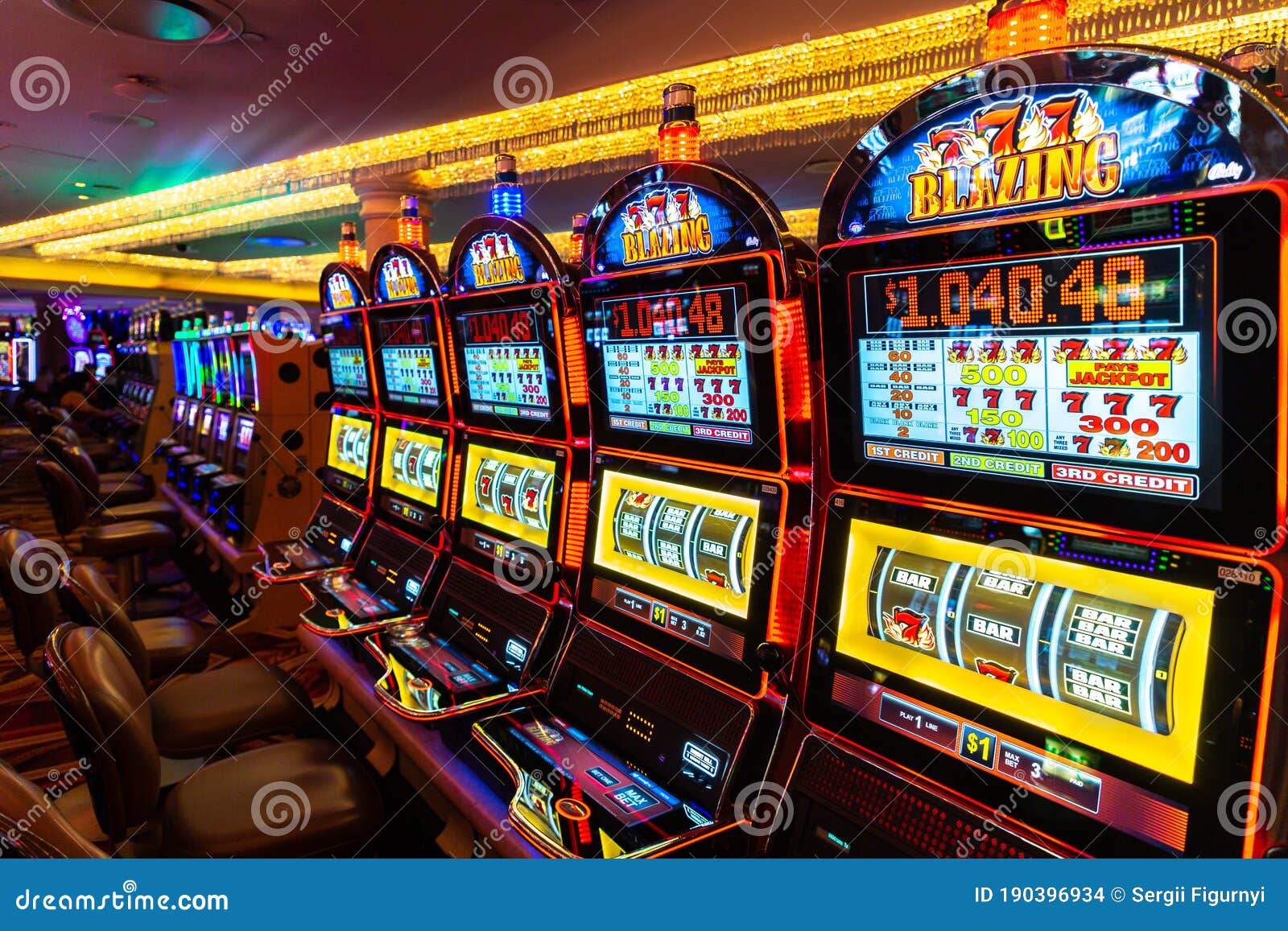
Set aside the legal drama for a moment. Why was this game worth pursuing? Book of Oz is a high-volatility slot built on the hugely popular “Book” mechanic. It uses a standard 5-reel, 3-row grid with 10 fixed paylines. The wizard functions as the Expanding Symbol. Hit three or more Scatter symbols (the Book itself) and you activate the Free Spins feature. Here, one regular symbol gets picked at random to become a special expanding symbol. Collect enough of these to cover a reel, and they expand to fill it completely, opening the door for big wins. The tension mounts well in the bonus round, with real potential for sizable payouts. The visuals are sharp, the soundtrack pulls you in, and the whole package feels polished. Purely on design merits, I consider it as a standout in its category. That’s why it built such a loyal following and why there was such a commercial push to fix its UK status.
Where to Find Book of Oz Slot across the UK Today
Following the rebrand, the game (now called ‘Lock & Spin’) returned to most major operators licensed by the UKGC. But it’s not on every single site, as some brands opted not to relist it. Based on my latest checks, you can consistently find it at places like:
- Betway Casino: This large operator was prompt to add the title back following the rebrand.
- 888Casino: You’ll find the game in its wide slots collection.
- MrQ Casino: It offers the title, occasionally with promo offers attached.
- PlayOJO: Offers the game, which suits players who like bonuses with no wagering rules.

My advice is straightforward. Use the search bar on your selected licensed casino and look for “Book of Oz Lock & Spin”. Always check that the casino has a valid UKGC license, which you’ll find linked at the bottom of its homepage. This guarantees you’re playing the authorized version and are safeguarded by UK standards for fair play, consumer protection, and responsible gambling tools.
Player Protections and Responsible Gambling Context
This whole situation throws a spotlight on the UK market’s particular focus on safety. The UKGC’s move, however frustrating for game fans, was driven by its mission to keep gambling fair, secure, and free from underage audiences. When you try Book of Oz Lock & Spin at a UKGC-licensed site, you’re accessing a system built with safeguards. These include compulsory age checks, clear terms, upfront RTP (Return to Player) figures, and easy-to-use tools for deposit limits, time-outs, and self-exclusion. The game itself will also direct you to these responsible gambling resources. As a reviewer, I regard this regulatory strictness as a trade-off. It can sometimes restrict choice, but it also builds one of the most protective gambling environments anywhere. The Book of Oz story is a textbook case of that trade-off occurring in real time.
Regulatory Standard and Future Implications for Game Developers
This ruling created a specific, though intricate, standard. Creators aiming for the UK sector must conduct a ‘theme audit’ during their design phase. They have to ask simple questions. Is our theme mainly linked to kids’ entertainment, playthings, or animated shows? If that is the case, how do we soften that link? The Book of Oz case proves the solution can be as straightforward as a smart title change or adjusted promo art. We anticipate seeing more games launch with slight regional variations in name or imagery to meet UKGC expectations. This increases development difficulty, but it represents the fee for entering a valuable, highly regulated market. The decision also validates the UKGC’s readiness to act on game-specific features, not just on advertising or operator licenses.
Common Questions
Is the Book of Oz Slot allowed to enjoy in the UK currently?
Absolutely. The legal problem is finished. The game was rebranded as ‘Book of Oz Lock & Spin’ for the UK to resolve regulatory concerns. This edition is fully licensed and available at many UKGC-approved casinos. You can enjoy it lawfully and securely if you’re over 18 and using a approved site.
What was the reason was the game removed from UK casinos initially?
The UK Gambling Commission feared the original name ‘Book of Oz’ might appeal to minors because of its connection to the classic children’s tale ‘The Wizard of Oz’. To prevent any underage interest, they instructed operators to withdraw it. The game returned only after Play’n GO altered the name to add the gambling terms ‘Lock & Spin’.
Is there the gameplay changed in the UK “Lock & Spin” edition?
Absolutely not. The gameplay is precisely the same. The mathematical framework, the standard 96.2% RTP, the variance, the bonus mechanics, and all the design are identical to the global edition. The only change is the extra “Lock & Spin” text on the title screen and in the casino lobby. It’s the same game with a compliant label placed on it.
Can I still enjoy the original “Book of Oz” game anywhere?
You may discover the original title on casinos licensed outside the UK, in places like Malta or Curaçao. But I’d strongly advise avoiding going that route. You’d miss out on all the UK consumer protections. For protection, integrity, and appropriate responsible gambling support, choose the UKGC-licensed ‘Lock & Spin’ version at a authorized UK casino.

Was the creator, Play’n GO, get fined over this?
No public records show Play’n GO being given a outright financial penalty from the UKGC. The matter was settled through compliance—altering the game’s name for the UK. The regulatory action primarily focused on operators, instructing them to remove the non-compliant version off their sites.
Will other “Book of…” slots like Book of Dead be banned?
That’s highly unlikely. The UKGC’s worry was unique to the “Oz” intellectual property and its strong, straight link to a children’s film. Concepts like ancient Egypt (Book of Ra) or generic adventure (Book of Dead) do not share that same connection. The precedent concentrates on specific child-friendly branding, not the “Book of” format alone.
What should I do if my regular UK casino doesn’t have the game?
First, verify by checking for “Book of Oz Lock & Spin”. If it’s truly not there, that casino might have made a business option not to put it back. You can try another major UKGC-licensed casino from the list above. Or, you could reach out to your casino’s support team and check if they plan to add it later.
